







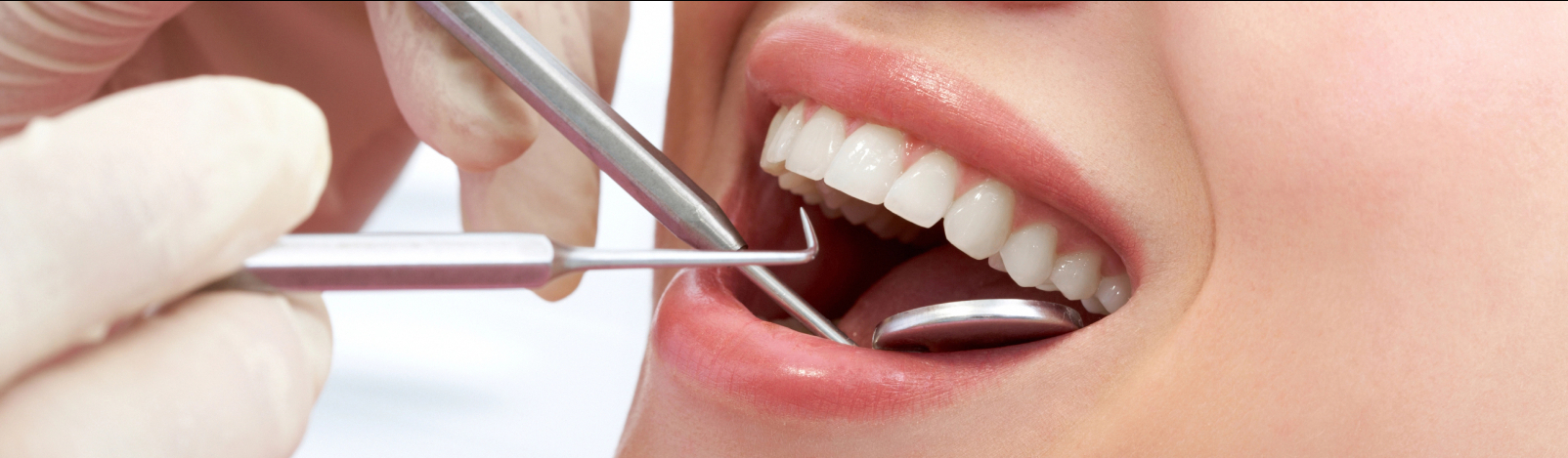
What you need to know about types of fillings, the application process, and when a filling is sufficient
When you notice tooth decay, the first thing that usually comes to mind is the concern, "Will this require a major procedure?" However, for most cavities detected early, the treatment is quite simple: a filling.
Tooth decay is a bacterial process that begins in the tooth enamel and gradually progresses to the inner layer we call dentin. We use fillings to replace the lost tooth structure, stop the progression of decay, and restore the tooth to its functional state. Fillings are also a preferred solution in cases such as fractures, wear, or deterioration of an old filling.
There is something our patients often ask: "If the cavity is small, can I wait?" - we generally do not recommend it, because a small cavity can deepen over time and reach a stage where root canal treatment is required. Early intervention often results in a simple procedure completed in a single session.
Today, the most commonly used method is composite filling - a tooth-colored material that hardens with light. Its aesthetic appearance and the fact that it can be completed in a single session are among the features most preferred by patients. Amalgam filling (silver-colored and metal-based) was widely used in the past, but its use has decreased due to aesthetic concerns and its mercury content. In cases of extensive tooth structure loss, porcelain or composite blocks called inlays/onlays, which are produced in a laboratory and bonded to the tooth, offer a more durable option.
The first step is the removal of the decayed tissue - under local anesthesia if necessary. Then, the remaining healthy tooth structure is prepared, and the filling material is placed layer by layer, with each layer hardened using a special light device. Finally, the filling is shaped to fit the bite and polished. A simple filling is usually completed within 20-40 minutes, and a single session is sufficient for cavities that are not very large.
If the decay has not progressed beyond the tooth enamel, anesthesia may not even be necessary. If it has reached the dentin, local anesthesia is administered, and no pain is felt during the procedure. After the anesthesia wears off, there may be mild sensitivity, especially to hot and cold, but this usually resolves on its own within a few days.
If the loss of tooth structure is limited, a filling is sufficient and is a less invasive solution. However, if a large portion of the tooth structure has been lost or if the tooth has undergone root canal treatment, a filling may not provide sufficient support - in this case, strengthening the tooth with a crown provides a longer-lasting result. Which approach is appropriate becomes clear during the examination based on the extent of the decay and the overall structure of the tooth.
When asked how long a filling lasts, it is difficult to give an exact number - composite fillings can generally be used without problems for an average of 5-10 years, although this period may vary depending on care and biting habits. Can you eat immediately after a filling? - since composite fillings harden instantly with light, you can generally return to normal eating within a short period of time. Caring for a filled tooth is no different from caring for other teeth: regular brushing, flossing, and periodic check-ups are sufficient.
You can contact our clinic for a detailed examination regarding fillings or other treatment options.


There are many advantages of getting dental treatment services in Antalya, which is one of the most important tourism cities in Turkey.


Dental Implants and Dental Bridges offer effective solutions, but understanding their differences and benefits is crucial to making the right choice for your specific needs.

In our Antalya Özdemir Dental Polyclinic, Invisalign is a clear aligner that is frequently used in modern orthodontic treatment, especially in adult applications.

What you need to know about what root canal treatment is, how it is performed, and when your tooth can be saved